30 Published BooksJózef Czechowicz
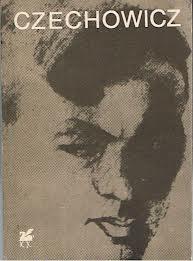
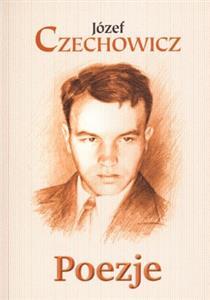
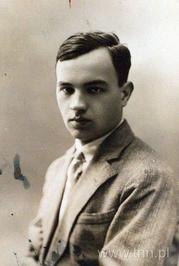
Józef Czechowicz (15 March 1903 – 9 September 1939) was an avant-garde Polish poet. Known as a nostalgic, catastrophic author, he was also the leader of the literary avant-garde and bohemians in Lublin. For this visionary poet, verse seemed to be a question of imagination; he would play with word consonances, dreamlike associations, musicality, and create picturesque visions. Czechowicz used to live and create in Lublin; he also died there tragically, a few days after World War II had started.
In his approach to rhyme and metrics, Czechowicz was unorthodox. However, as Czesław Miłosz cogently points out, "all of his poetry is intrisically linked to the so-called 'bourgeois lyricism' of the seventeenth century and to folk songs." He emphasised the striking harmonious musicality in his poetry by using onomatopoeia, phonetic instrumentation, and sonorous neologisms as well as selecting originally harmonious rare assonances and rhymes.
Czechowicz is often described as a poet of the city, of small towns and provinces. The supernatural character of the worlds presented in his poetry is intensified by the use of personifications, including nature and landscape elements. His rejection of capital letters and punctuation also increases the atmosphere of mystery and ambiguity, typical in his works.
Czesław Miłosz notes that the very voice of this poet, hardly audible and murmuring, cannot be compared to any kind of Western poetry, and it appears to be untranslatable due to exploiting the concealed sonorities characteristic only to this one language. Still, some analogies can be suggested: "His lyrics can be likened to chamber music made poignant by the counterpoint of dark philosophical and metaphysical problems."