183 Published BooksNorman Lewis
Norman Lewis was a British writer renowned for his richly detailed travel writing, though his literary output also included twelve novels and several volumes of autobiography. Born in Enfield, Middlesex in 1908 to a Welsh family, Lewis was raised in a household steeped in spiritualism, a belief system embraced by his grieving parents following the deaths of his elder brothers. Despite these early influences, Lewis grew into a skeptic with a deeply observant eye, fascinated by cultures on the margins of the modern world.
His early adulthood was marked by various professions—including wedding photographer, umbrella wholesaler, and even motorcycle racer—before he served in the British Army during World War II. His wartime experiences in Algiers, Tunisia, and especially Naples provided the basis for one of his most celebrated books, Naples '44, widely praised as one of the finest firsthand accounts of the war. His writing blended keen observation with empathy and dry wit, traits that defined all of his travel works.
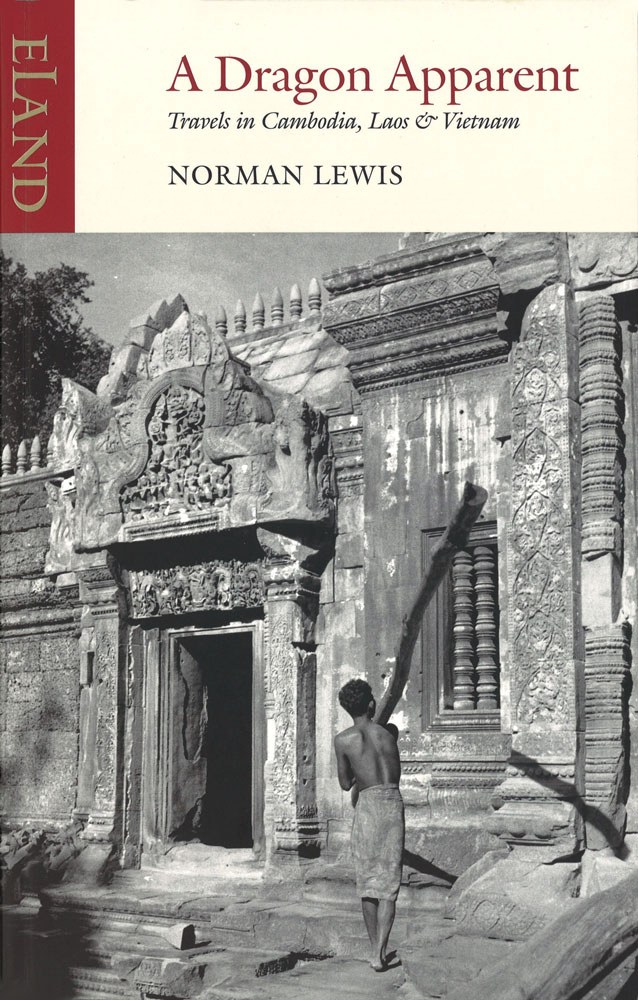
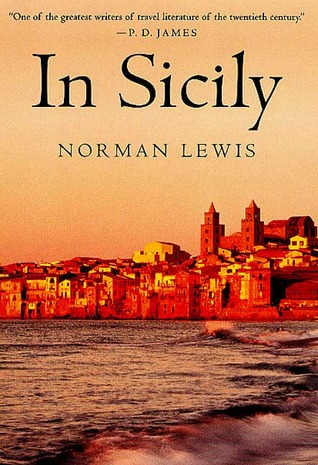
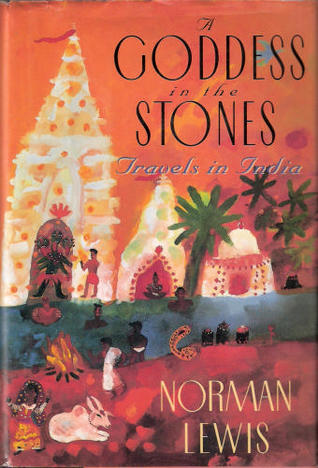
Lewis had a deep affinity for threatened cultures and traditional ways of life. His travels took him across Southeast Asia, Latin America, and the Mediterranean. Among his most important books are A Dragon Apparent, an evocative portrait of French Indochina before the Vietnam War; Golden Earth, on postwar Burma; An Empire of the East, set in Indonesia; and A Goddess in the Stones, about the tribal communities of India. In Sicily, he explored the culture and reach of the Mafia in The Honoured Society and In Sicily, offering insight without sensationalism.
In 1969, his article “Genocide in Brazil,” detailing atrocities committed against Indigenous tribes, led directly to the formation of Survival International, an organization committed to protecting tribal peoples worldwide. Lewis often cited this as the most meaningful achievement of his career, expressing lifelong concern for the destructive influence of missionary activity and modernization on indigenous societies.
Though Lewis also wrote fiction, his literary reputation rests primarily on his travel writing, which was widely admired for its moral clarity, understated style, and commitment to giving voice to overlooked communities. He remained an unshakable realist throughout his life, famously stating, “I do not believe in belief,” though he found deep joy in simply being alive.
Lewis died in 2003 in Essex, survived by his third wife Lesley and their son Gawaine, as well as five other children from previous marriages.